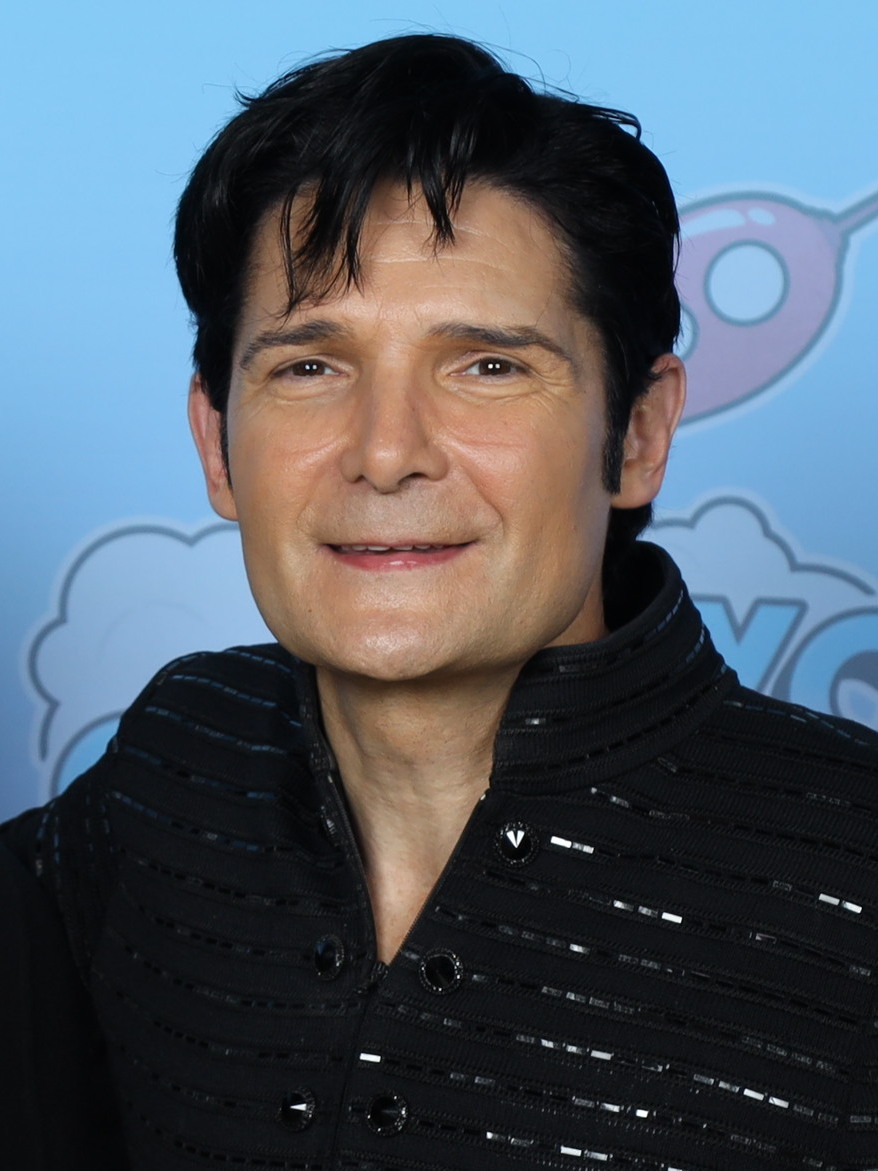
The Unseen Snub: Corey Feldman's Omission from the Rob Reiner Oscars Tribute
The glitz and glamour of the Academy Awards often serve as a backdrop for celebrating cinematic achievements and honoring the legacies of Hollywood's greats. However, this year's planned tribute to the beloved director Rob Reiner has unexpectedly stirred a potent blend of controversy and heartbreak. At the heart of this unfolding drama is actor Corey Feldman, who finds himself conspicuously absent from the lineup, leaving him – and many fans – searching for feldman answers tribute snub has created a palpable tension behind the scenes.
Rob Reiner, the visionary filmmaker behind classics like When Harry Met Sally, The Princess Bride, and the iconic coming-of-age drama Stand By Me, is undoubtedly deserving of a grand tribute. The Academy's intention to celebrate his lasting impact on cinema is commendable. However, the selection process for participants has drawn significant criticism, particularly concerning one of his most memorable works.
Insiders reveal that the tribute is expected to feature stars from two of Reiner's most cherished projects. For When Harry Met Sally, Meg Ryan and Billy Crystal are reportedly set to appear on stage, representing the quintessential romantic comedy. Meanwhile, representing the poignant tale of childhood friendship, Stand By Me, actors Jerry O'Connell and Wil Wheaton have reportedly been contacted to participate. Yet, it's the absence of their former co-star, Corey Feldman, who portrayed the complex and troubled Teddy Duchamp in the 1986 classic, that has ignited a firestorm of debate.
Feldman's connection to Reiner and Stand By Me runs exceptionally deep. Having navigated the challenging landscape of child stardom, the film, and Reiner's guidance during its production, held immense significance for Feldman. Sources close to the actor indicate that he was "devastated" upon learning he was not included in the current plans. The situation, according to these sources, feels like a painful "slap in the face" rather than a mere oversight or scheduling conflict.
“He loved Rob and expected to be asked,” an insider shared, emphasizing Feldman’s genuine admiration for Reiner and the expectation of an invitation, especially given his central role alongside O'Connell and Wheaton. For Feldman, whose career has often been scrutinized, this omission from a tribute honoring a director he held in such high regard is a particularly bitter pill to swallow. He reportedly harbors a strong desire to honor Reiner, even if it meant simply being present in the audience. The lack of an invitation has left him, and indeed many onlookers, deeply confused and seeking clarification on the Academy's decision-making process.
A Legacy Reimagined? Understanding the Academy's Choices
Curating a tribute of this magnitude, particularly for a figure as prolific and beloved as Rob Reiner, is an intricate task. The Academy, in its efforts to distill decades of impactful work into a single segment, faces the monumental challenge of deciding who best represents different facets of a director's career. However, the exclusion of Corey Feldman from the Stand By Me segment raises pertinent questions about the criteria and considerations that guide such critical choices.
One might speculate about various factors influencing the Academy's decision. Was it a matter of scheduling conflicts, an artistic choice to focus on certain narratives or individuals, or perhaps an attempt to avoid any perceived controversies associated with Feldman's well-documented public life and past struggles? While the Academy has remained silent on the issue, the absence of an explanation only fuels speculation and leaves the door open for interpretations that may not reflect the organizers' true intentions. The need for feldman answers tribute controversy stems directly from this lack of transparency.
Hollywood's history is replete with examples where personal reputations or past controversies have subtly influenced professional opportunities. While Feldman has been an outspoken advocate for child abuse survivors in Hollywood and has candidly shared his struggles, it's crucial that artistic contributions are judged on their own merit. Stand By Me remains a seminal work in his filmography, and his portrayal of Teddy Duchamp is an indelible part of its enduring appeal. To omit such a key figure from a tribute to the film's director can inadvertently diminish the ensemble's collective achievement and the depth of the film's impact.
Ultimately, the Academy's choices, however well-intentioned, carry significant weight. They not only shape the narrative around a director's legacy but also send a message to the artists who contributed to that legacy. In the absence of clear communication, these decisions can inadvertently overshadow the very celebration they aim to create, turning a moment of honor into a source of unexpected discord.
Stand By Me Brothers React: O'Connell and Wheaton Seek Clarity
The camaraderie among the young cast of Stand By Me is legendary, a bond forged through shared experiences on a film set that mirrored their characters' journey of friendship. It's no surprise, then, that this deep-seated connection has extended beyond the screen and into the current controversy surrounding the Rob Reiner tribute. News of Corey Feldman's exclusion didn't just shock him; it reportedly surprised his former co-stars, Jerry O'Connell and Wil Wheaton, who are slated to participate in the tribute.
According to sources, both O'Connell and Wheaton were taken aback when they learned Feldman was not included in the plans. This reaction speaks volumes about the perceived injustice of the situation. Having shared the intense, formative experience of making Stand By Me, they understand Feldman's integral role in the film's success and its emotional resonance. Their characters, Gordie, Chris, Vern, and Teddy, are inseparable in the minds of fans, making the idea of honoring the film with only two of the four central actors feel incomplete.
In a demonstration of solidarity and concern, the two actors have reportedly attempted to reach out to the Academy to clarify the situation. These efforts, however, have reportedly been met with silence. The lack of response from the Academy further exacerbates the frustration and leaves everyone involved, including O'Connell and Wheaton, without the clarity they seek regarding feldman answers tribute questions. Their proactive stance underscores the profound impact of this decision, not just on Feldman, but on the entire "Stand By Me" family.
This situation highlights a critical aspect of creating such tributes: the often-underestimated importance of consulting and involving key figures, especially those with deep, personal ties to the celebrated work. The attempt by O'Connell and Wheaton to intervene suggests a collective understanding that a tribute to Rob Reiner and *Stand By Me* feels incomplete without all its core components. Their actions, though seemingly unsuccessful in eliciting a response, serve as a powerful testament to the bonds forged on that iconic set and the shared desire for Feldman's contributions to be acknowledged.
Beyond the Stage: The Broader Implications for Hollywood Tributes
The controversy surrounding Corey Feldman's exclusion from the Rob Reiner Oscars tribute transcends a single actor's disappointment; it opens a wider discussion about how Hollywood honors its legends and the ethical considerations involved. While every tribute is designed to be a celebratory affair, such oversights can inadvertently cast a shadow over the intended joyous occasion and raise questions about industry practices.
Organizing a large-scale event like an Oscars tribute is undeniably complex, involving countless logistical, creative, and political considerations. However, this incident serves as a stark reminder that the human element and the emotional impact on individuals should never be overlooked. When a significant contributor to a celebrated work is conspicuously absent, it can lead to:
- Diminished Authenticity: A tribute feels less genuine when key figures are missing, potentially leading audiences to question the completeness of the celebration.
- Undermined Legacies: By omitting certain individuals, there's a risk of inadvertently rewriting or selectively presenting a director's legacy, downplaying the contributions of those involved.
- Negative Public Perception: Controversies like this can detract from the main purpose of the event, shifting public focus from celebration to critique.
- Internal Discord: It can create tension and hurt feelings among industry peers, as seen with the reported reactions of O'Connell and Wheaton.
Practical Advice for Future Tributes: To prevent similar situations, organizers of major industry tributes could benefit from implementing more inclusive and transparent processes:
- Broad Consultation: Engage in wider consultation with cast and crew members directly associated with the works being highlighted, not just a select few.
- Clear Communication: Provide clear and empathetic communication to all relevant individuals, even if they cannot be included, explaining the rationale behind decisions where possible. This is where the lack of feldman answers tribute issue is most glaring.
- Prioritize Artistic Contribution: Base inclusion decisions primarily on the artistic merit and impact of an individual's contribution to the honored legacy, rather than external factors.
- Offer Alternative Involvements: If a stage appearance isn't feasible for everyone, consider other ways for key figures to participate, such as video messages, archival footage, or even just a prominent seat in the audience with acknowledgment.
The Academy Awards are watched by millions globally, and every decision made carries significant weight. While the intent was to honor Rob Reiner, the unfolding situation with Corey Feldman highlights the critical need for sensitivity, thoroughness, and transparent communication in crafting such public celebrations. It's a powerful reminder that behind every film and every tribute are individuals whose contributions and feelings deserve respect and consideration.
In conclusion, the decision to exclude Corey Feldman from the Rob Reiner Oscars tribute has cast an undeniable shadow over what should have been a moment of pure celebration. Feldman's profound connection to Rob Reiner and his pivotal role in Stand By Me make his omission particularly puzzling and painful. While the Academy's ultimate reasoning remains shrouded in silence, the public outcry and the reported efforts of his co-stars, Jerry O'Connell and Wil Wheaton, underscore the deep sense of injustice felt by many. This controversy serves as a poignant reminder that while Hollywood strives to celebrate its legends, the human element, transparency, and inclusivity must remain paramount to ensure that such tributes truly honor all who contributed to cinematic greatness.