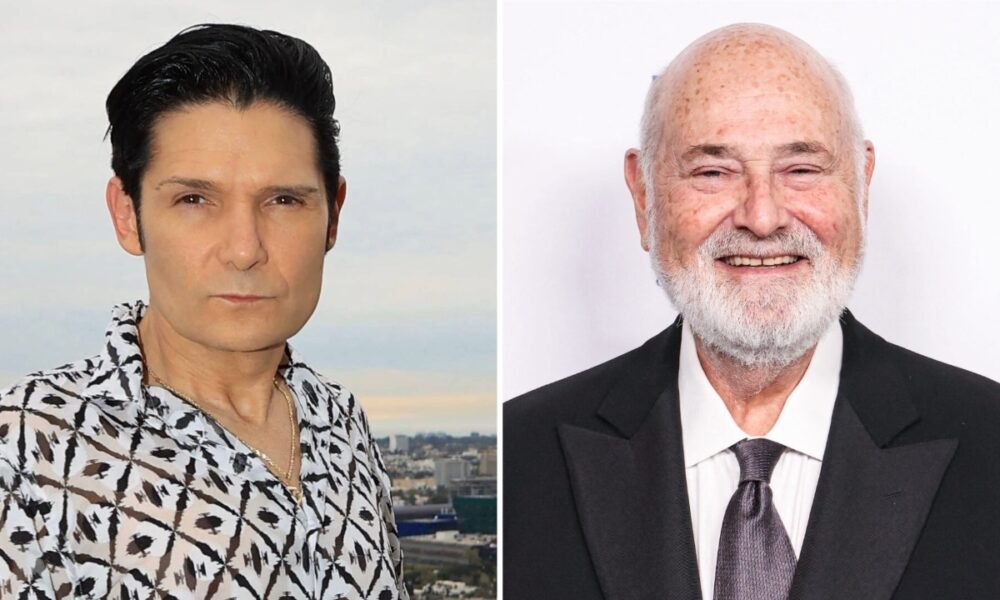
Hollywood's biggest night, the Academy Awards, is synonymous with celebration, glamour, and heartfelt tributes. Yet, as this year's ceremony draws near, an unexpected controversy has cast a shadow over plans to honor a cinematic legend. Director Rob Reiner, beloved for timeless classics like "Stand By Me" and "When Harry Met Sally," is set to receive a special segment, but the proposed lineup has left one of his most iconic collaborators, Corey Feldman, feeling deeply hurt and demanding answers regarding the tribute.
The situation has sent ripples through the film community, sparking a debate about inclusivity, respect, and the often-complex dynamics of Hollywood memory. Feldman, who delivered a memorable performance as Teddy Duchamp in Reiner's 1986 masterpiece "Stand By Me," reportedly expected to be part of the tribute alongside his former co-stars. His alleged omission has ignited a conversation that goes beyond a simple oversight, touching upon an actor’s deep emotional connection to his work and the mentors who shaped it.
The Heart of the Snub: Corey Feldman's Exclusion
The news that Corey Feldman was not included in the initial plans for the Rob Reiner Oscars tribute has hit the actor hard. Sources close to Feldman reveal he was "devastated" upon learning of his exclusion. For an actor whose career was profoundly influenced by Rob Reiner and the cultural phenomenon that was "Stand By Me," being left out of such a pivotal moment is more than just a missed opportunity; it’s perceived as a painful slight.
Feldman’s connection to Reiner isn't merely professional; it's deeply personal. "Stand By Me" was a formative experience for the young cast, with Reiner guiding them through complex emotional landscapes. The film, adapted from Stephen King’s novella "The Body," explores themes of friendship, loss, and the journey from childhood to adolescence – themes that resonated profoundly with its stars, including Feldman. His character, Teddy Duchamp, was a troubled yet fiercely loyal boy, a role that required significant emotional depth. Reiner’s direction helped Feldman navigate this, cementing a bond and a professional respect that Feldman has often spoken about publicly.
The sting of this alleged snub is magnified by the fact that other "Stand By Me" cast members, Jerry O’Connell and Wil Wheaton, are reportedly slated to participate. The contrast creates a poignant question: Why was Corey Feldman left out of the Rob Reiner Oscars tribute when his peers, from the very same iconic film, were invited? This is the core of the dilemma, and it leaves many, including Feldman himself, searching for answers concerning the tribute's planning.
A Deep Connection: Feldman and Reiner's Legacy
The significance of "Stand By Me" in Corey Feldman's career cannot be overstated. It stands as one of his most critically acclaimed roles, a performance that showcased his talent beyond the typical teen idol roles he sometimes inhabited. Under Reiner’s direction, Feldman delivered a nuanced portrayal that continues to resonate with audiences decades later. This shared history and professional bond explain why Feldman felt a natural expectation to be included in a tribute honoring his late mentor.
For many actors, especially child stars, the influence of a director like Rob Reiner can be life-altering. Reiner was known for his ability to connect with his actors, fostering environments where authentic performances could flourish. Feldman has often spoken about the positive impact Reiner had on him during the filming, making the idea of honoring Reiner without his involvement particularly difficult to process. The perception that his contributions, and his relationship with Reiner, are being overlooked is understandably upsetting.
The Oscars Tribute Plans: Who's In (and Who's Out)
The Academy Awards are preparing a special segment to celebrate the enduring legacy of Rob Reiner, a director whose filmography boasts an incredible range of genres and critical successes. Organizers reportedly aim to bring together stars from two of his most iconic films: "When Harry Met Sally" and "Stand By Me."
From the romantic comedy classic "When Harry Met Sally," sources suggest that beloved stars Meg Ryan and Billy Crystal are expected to grace the stage. Their on-screen chemistry defined a generation of romantic comedies, and their presence would undoubtedly evoke fond memories for countless fans. Meanwhile, representing the coming-of-age drama "Stand By Me," actors Jerry O’Connell and Wil Wheaton are reportedly on the list to participate.
This curated selection, while featuring prominent names, has inadvertently created a point of contention. The glaring absence of Corey Feldman from the "Stand By Me" contingent is what has fueled the controversy. Given Reiner's prolific career, any tribute faces the challenge of selecting a representative group of collaborators. However, when multiple stars from a specific, tightly-knit ensemble film are chosen, the exclusion of another key player becomes significantly more noticeable and, for the individual involved, intensely personal.
"Stand By Me" Cast Reacts: Seeking Clarity
The news of Feldman's exclusion has not gone unnoticed by his former "Stand By Me" co-stars. Reports indicate that both Jerry O’Connell and Wil Wheaton were surprised and concerned to learn that Feldman was not part of the tribute plans. These actors, who shared an indelible experience on screen and formed lasting friendships, are reportedly attempting to intervene.
Insiders suggest that O’Connell and Wheaton have reached out to the Academy, seeking clarification and answers regarding the tribute's decision-making process. Their efforts, however, have reportedly been met with silence. This lack of communication only exacerbates the frustration and confusion surrounding the situation. It highlights a common problem in large-scale event planning: the potential for miscommunication or, worse, a perceived indifference to the feelings of those intimately involved in the history being celebrated.
The collective effort by the "Stand By Me" cast members to ensure Feldman’s inclusion speaks volumes about the enduring bond formed during the making of the film. It underscores the idea that a tribute isn't just about the director; it's also about the collaborative spirit and the human connections forged in the creative process.
More Than Just an Omission: The Emotional Toll
For Corey Feldman, this isn't merely a matter of a missed appearance; it's a deeply emotional experience. He views the situation as a "slap in the face," suggesting that the snub feels intentional rather than a logistical oversight. His desire to honor Rob Reiner is genuine, and the inability to do so, especially when his peers are participating, adds to the pain. "Corey wants nothing more than to honor Rob, and the fact that he currently isn't allowed is an absolute slap in the face," an insider reportedly stated. "Even if he wasn't on the stage, he'd love to be there, to honor Rob."
This sentiment resonates with many who understand the personal investment actors pour into their roles and relationships. When those contributions are seemingly overlooked, especially on a platform as public as the Oscars, the emotional impact can be profound. It raises questions about how Hollywood recognizes and respects the careers and personal histories of its talent, particularly those who have navigated the complexities of child stardom.
Understanding the Academy's Perspective (Speculation)
While the Academy has yet to offer an official explanation, one can speculate on potential reasons behind such decisions. Tribute segments are often tightly choreographed, with limited time slots, and involve numerous logistical considerations: scheduling conflicts, availability, current public image, and the desire to present a diverse representation of a director's work. It's possible the Academy aimed for a specific narrative or combination of actors, and Feldman's omission was an unfortunate consequence rather than a deliberate slight.
However, this doesn't diminish the impact on Feldman. Event organizers for any industry tribute could learn a valuable lesson here: thorough research into all key collaborators and proactive, transparent communication can prevent such controversies. A simple outreach, even if an invitation isn't extended, can go a long way in managing expectations and respecting personal connections. The lack of feldman answers tribute concerns from the Academy only fuels speculation and hurt.
The Broader Implications: Navigating Industry Tributes
This incident brings to light the delicate nature of crafting public tributes within an industry rich with history, personalities, and sometimes, unresolved issues. While the intention behind honoring Rob Reiner is undoubtedly positive, the execution has inadvertently created tension. It underscores the responsibility of award show organizers to be not only celebratory but also sensitive and comprehensive in their approach.
For industry insiders, this serves as a reminder that every decision, even seemingly minor casting for a tribute, carries weight. It can impact not only the individuals involved but also the public perception of the event itself. Creating truly inclusive tributes means looking beyond the most obvious choices and considering the full spectrum of relationships and contributions that shaped an artist's legacy.
For those who feel overlooked or excluded in similar professional contexts, this situation highlights the importance of voicing concerns, as Feldman has done. While it doesn't guarantee a resolution, it initiates a dialogue and brings attention to issues that might otherwise remain unseen. It's a testament to the enduring human need for recognition and belonging, especially in a world that often measures success by visibility.
The controversy surrounding Corey Feldman's alleged snub from the Rob Reiner Oscars tribute is a poignant reminder of the intricate human element within the grand spectacle of Hollywood. As the industry prepares to celebrate a directorial titan, the quest for answers and the emotional toll on a beloved actor have taken center stage. Whether the Academy will address the concerns or stand by its original plans remains to be seen, but the conversation it has sparked about respect, inclusion, and the indelible connections forged in filmmaking will undoubtedly endure.